
There’s a particular tension over the southern Kruger in October. Not the tension of danger: the tension of anticipation. The rains haven’t come yet, but the bush is waiting for them. Animals know it. The air carries it. And if you’re paying attention, you’ll see more than a guest chasing sightings in high season ever will.
October is the month the bush holds its breath. And it is the most honest month you can experience it.
What Happens in October
Most safari guides will tell you October in the southern Kruger is unpredictable. Water is scarce: some pans are bone dry, others still hold reserves. Animals spread across the landscape instead of concentrating at familiar watering holes. The heat intensifies. The grass hasn’t burned back yet, so visibility is patchy. No safety net, no reliable sighting promises.
By conventional safari logic, October is a gamble.
By SLOWfari logic, it is the only time you truly see how the bush actually works.
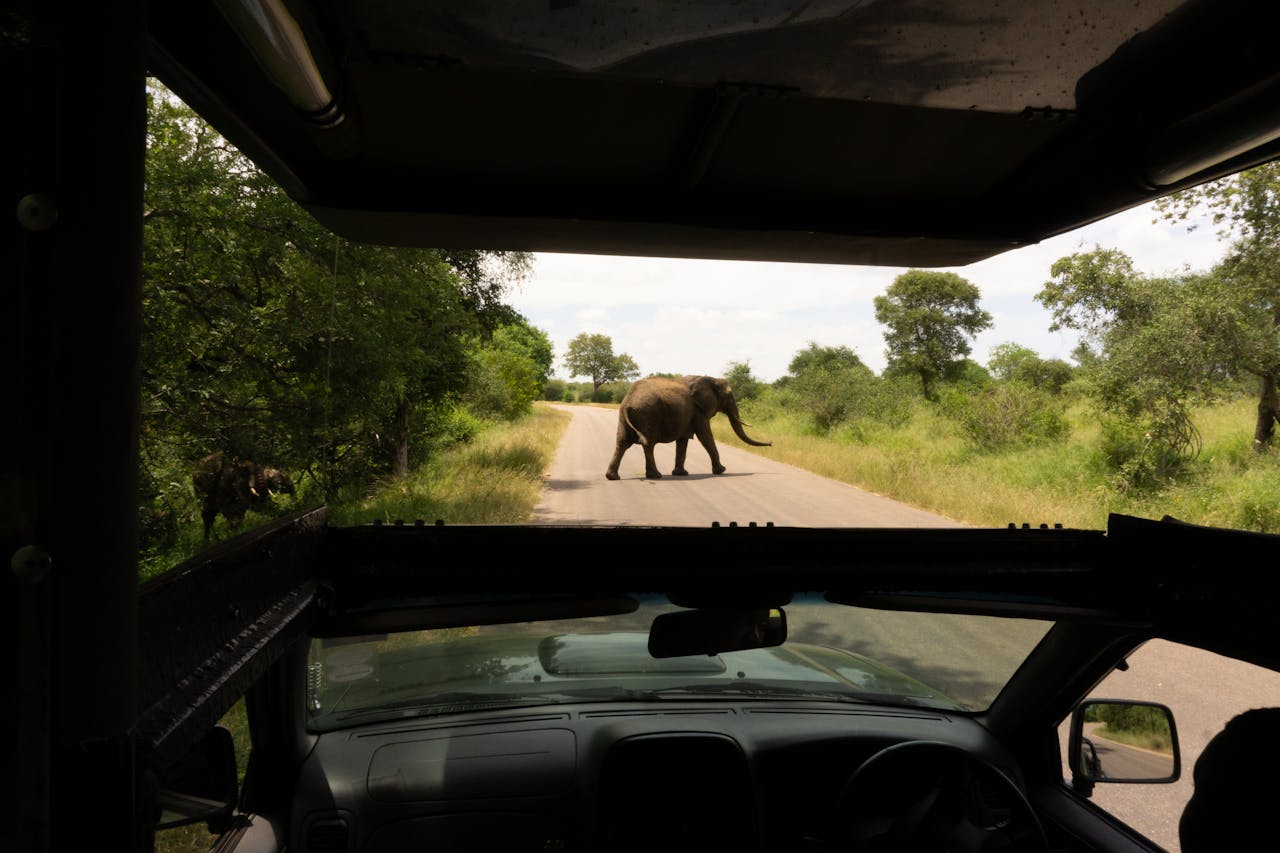
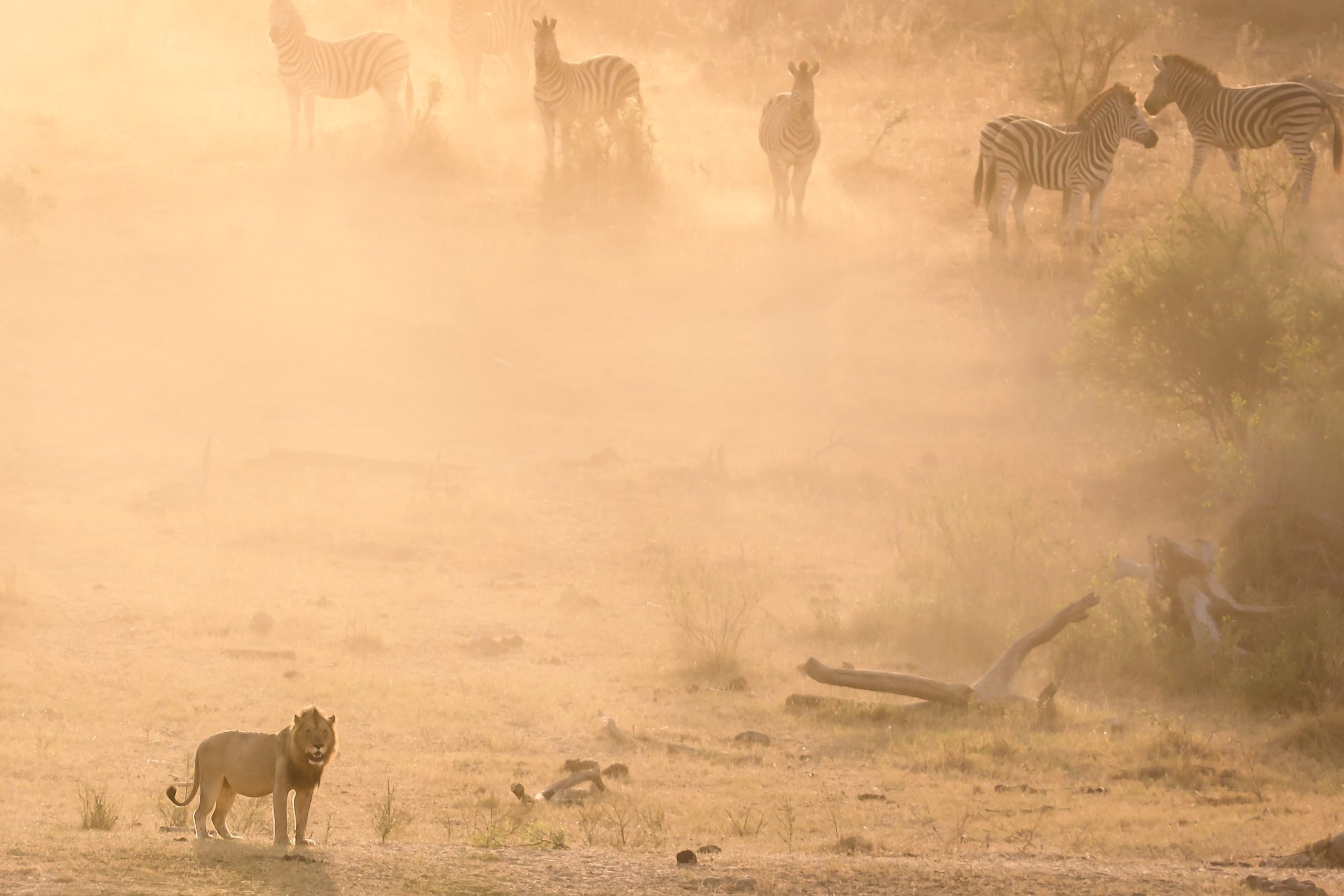
The animals aren’t performing for you. They’re living: moving according to water patterns only they understand, foraging in patterns shaped by seasons you can’t predict from a calendar. A pride of lions isn’t following a script; they’re hunting based on prey distribution. A herd of elephants isn’t taking a scenic route; they’re navigating toward the water that will sustain them through the dry peak of November and December.
October strips away the illusion that wildlife operates on a tourist’s schedule. That, paradoxically, is its gift.
Why October Rewards Patience
Visitors who come in high season, July and August, experience the bush at its most congregated. Animals cluster around water. Sightings are almost predictable. It’s efficient: you see a lot, and you tick boxes quickly.
October is the opposite. You might spend an hour moving through thick bush and see nothing. Then, in a single moment the bush reveals itself entirely differently: a flash of ochre between the trees, a subtle shift in bird calls, fresh spoor still steaming in the morning cold. You’ve stopped long enough to actually notice.
A guide who rushes through October misses everything. A guide who settles into the pace of the season finds stories everywhere.
The giraffe browsing acacia leaves at the highest point where others won’t reach. The strategic positioning of a territorial male leopard, seen three times over a week in the same granite outcrops. The hyena den only found because you stopped to listen to calls you couldn’t identify from a distance. The way a troop of baboons moved differently when a lion was on the opposite side of a rocky ridge, knowing before you did.
None of this is luck. It’s what happens when you’re not racing from A to B, checking “sightings” off a list.
The Light Is Different
October’s light is brutal. Midday is punishing: direct, unforgiving, harsh. But dawn and dusk become something else entirely, elongated, diffuse, golden in a way July’s crisp light never quite achieves.
If you’re a photographer, October’s pre-rain atmosphere creates a particular quality: warm, slightly hazy, almost dreamlike. Shadows have texture. Animals silhouetted against burnt grass become almost sculptural. The landscape feels less like a stage and more like a portrait.
But even if you’re not carrying a camera, you notice it. The bush becomes less about what you see and more about how you feel what you’re seeing.
The Animals Know Something You Don’t
By October, every animal in the southern Kruger is anticipating the rains. They’re most active in the early morning and late afternoon, and conservative with energy through the heat of the day. Predators are pushing harder because prey is dispersing.
A hyena’s call in October carries different intention than one in August. Even bird activity changes: the residents are still there, but the migratory species are gone and the transient visitors are arriving.
The bush is reorganizing itself. If you move slowly enough, you become part of that reorganization rather than an observer passing through.
Why We Don’t Advertise October
Here’s the honest part. October isn’t marketed as prime safari season because it’s harder. Game drive companies can’t guarantee sightings, and guides need deeper knowledge to read the landscape when it isn’t just a matter of following animals to the nearest waterhole.
That’s exactly why October is what it is. It isn’t a backup option for when July is fully booked. It’s a completely different experience.
Some of our best memories of guiding in the southern Kruger don’t come from the high-season runs. They come from October afternoons where we didn’t see a lion all day, but watched the landscape shift as a large herd of elephants moved across a dried riverbed toward a hidden pan. From dawn drives where a young leopard, still learning to hunt, came within meters of the vehicle because it was focused on a duiker. From moments of absolute silence where the only sound was wind in thorns and our own breathing.
That doesn’t sell easily. But it means something.
If You’re Thinking About October
If you’re considering an October safari in the southern Kruger with us, bring patience and curiosity, and the willingness to sit with “not seeing” and realise that sitting itself is the experience. The bush doesn’t owe you sightings. It owes you presence, and October is the month where that distinction matters most.
The rains will come. The landscape will transform. Animals will respond. But for now, in October, the southern Kruger exists in a threshold. Thresholds are where the most honest moments happen.
If that sounds like the safari you’ve been looking for, read how a SLOWfari works or contact Southern Stars Safaris to plan your October dates.