
Discovering the Kruger’s Hidden Ecosystems
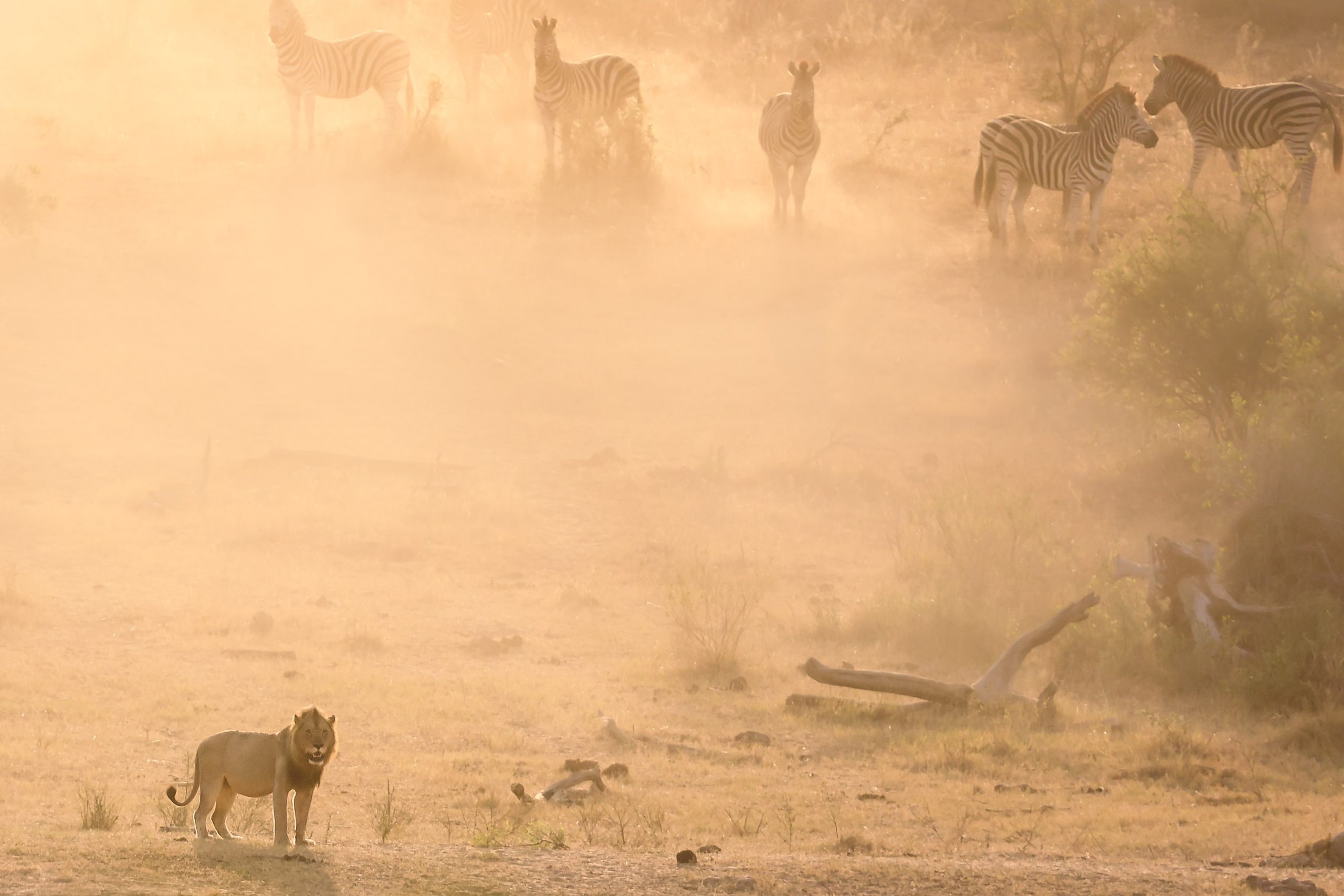
For decades, marketing campaigns have conditioned travelers to view an African safari through a single lens: checking off the Big Five. While witnessing a leopard draped over a branch or a pride of lions on the move is undeniably thrilling, focusing solely on large predators reduces a complex, living wilderness to a simple checklist.
When you look past the standard list of large mammals, you uncover the true heart of Southern Stars Safaris‘ territory—the intricate, hidden ecosystems that make the southern Kruger National Park and Marloth Park globally unique.
The Environmental Impact of Checklist Tourism
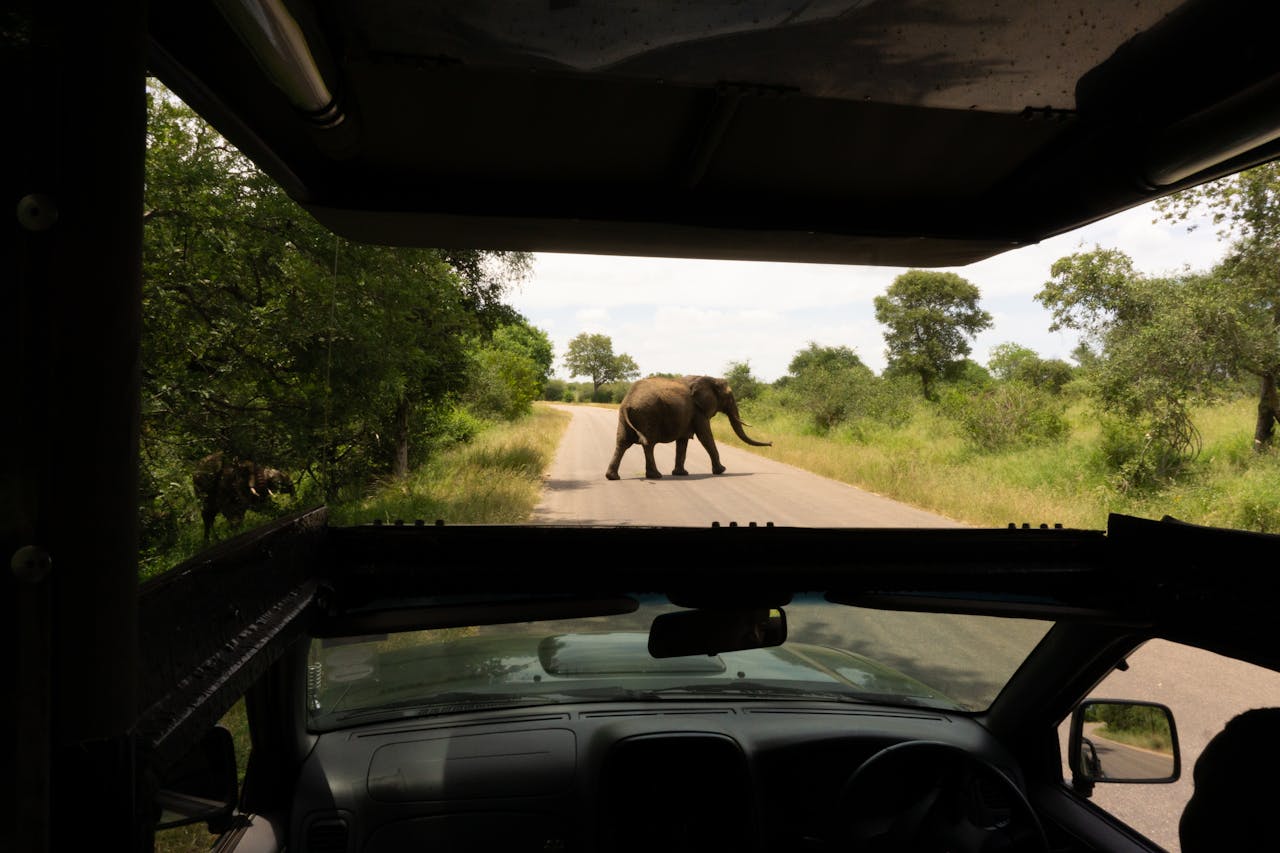
The relentless pursuit of apex predators has a real consequence on the ground. It often leads to traffic congestion, where dozens of vehicles crowd around a single animal. This not only disrupts natural wildlife behavior but also causes tourists to drive past incredible biological marvels without a second glance.
By shifting our focus toward the broader ecosystem, we practice more sustainable, respectful wildlife viewing. True conservation begins when we appreciate how every living organism—no matter how small—plays a vital role in keeping the lowveld alive.
The Architectural Wonders of Termite Mounds
One of the most overlooked components of the African bush is the humble termite mound. Far from being simple piles of dirt, these structures are highly advanced engineering marvels. Termites build them with internal ventilation shafts to regulate temperature and moisture, creating a perfect subterranean climate.
Above ground, these mounds serve as the structural anchor points of the savanna:
Abandoned tunnels become critical shelters for snakes, lizards, hyenas, and wild dogs.
They enrich the surrounding soil with nitrogen and phosphorus, promoting the growth of highly nutritious grass that attracts grazers like zebras and impalas.
Their height provides elevated lookout posts for cheetahs scouting for prey or dwarf mongooses keeping watch for eagles.
Reading the Morning Dust
When you slow down, the dirt beneath your wheels transformed into a daily newspaper. Tracking is an ancient art form that goes far beyond identifying paw prints. A skilled guide can read the morning dust to reconstruct the events of the previous night.
The sweep of a tail, the depth of a hoof print, or the texture of elephant dung tells a story. You can see where a pack of hyenas paused to listen, which direction an old bull buffalo was traveling, and exactly how many hours ago a thick-tailed bushbaby leaped between the acacia branches. Understanding these micro-signals connects you intimately to the rhythm of the bushveld.
The Birds and Small Mammals of the Lowveld
The southern Kruger region boasts an astonishing diversity of wildlife, including over 500 bird species and dozens of lesser-known small mammals. When vehicles speed by looking for rhinos, they miss the flash of a lilac-breasted roller or the hunting strategy of a secretary bird stomping through the grass.
Focusing on the broader ecosystem introduces you to fascinating creatures like the scrub hare, the architectural nests of weaver birds, and the vital role of dung beetles in clearing and fertilizing the soil. These species are the true engine room of the wilderness.
Cultivating a Deeper Connection to the Wild
When you step out on a safari with us, our goal is to translate the wilderness for you. By learning how the roots of a jacket-plum tree hold the riverbanks together, or how a bird call alerts an entire valley to a hidden predator, you stop being a temporary observer. You become a witness to a perfectly balanced, ancient system.
The next time you visit the lowveld, remember that the magic isn’t just in the apex predators. It is under your feet, in the canopy above, and in the complex web of life that connects them all.
Ready to explore the deeper secrets of the lowveld? Contact Southern Stars Safaris today to experience a mindful, educational safari through the southern Kruger and Marloth Park.