
How Your Footprint Matters in the Lowveld
As global awareness around environmental issues grows, travelers are increasingly looking for ways to explore the world without harming it. The lowveld is home to some of the most spectacular biodiversity on the planet, but it is also a highly delicate ecosystem. Every vehicle that enters a park and every visitor who walks into a reserve leaves a footprint.
At Southern Stars Safaris, we believe that we are guardians of the wilderness first and tour operators second. Ensuring ethical wildlife encounters is central to everything we do. By making conscious, respectful choices, visitors can enjoy a memorable experience while actively contributing to safari conservation in South Africa.
The Dynamics of Residential Wildlife Reserves
Marloth Park offers a rare and beautiful experience where human habitation and wild animals exist in the same space. However, this unique setup requires strict adherence to ethical guidelines to keep the animals safe.
Responsible tourism in Marloth Park means understanding that the free-roaming giraffes, zebras, and kudus are completely wild. Driving strictly within the designated speed limits is crucial to prevent animal collisions, especially at night. Furthermore, feeding wild animals processed human food introduces artificial dependencies and can cause severe health and behavioral issues. True conservation in a residential reserve means observing animals as they are, without trying to domesticate or disrupt their natural foraging habits.
Respecting Boundaries on a Kruger Drive
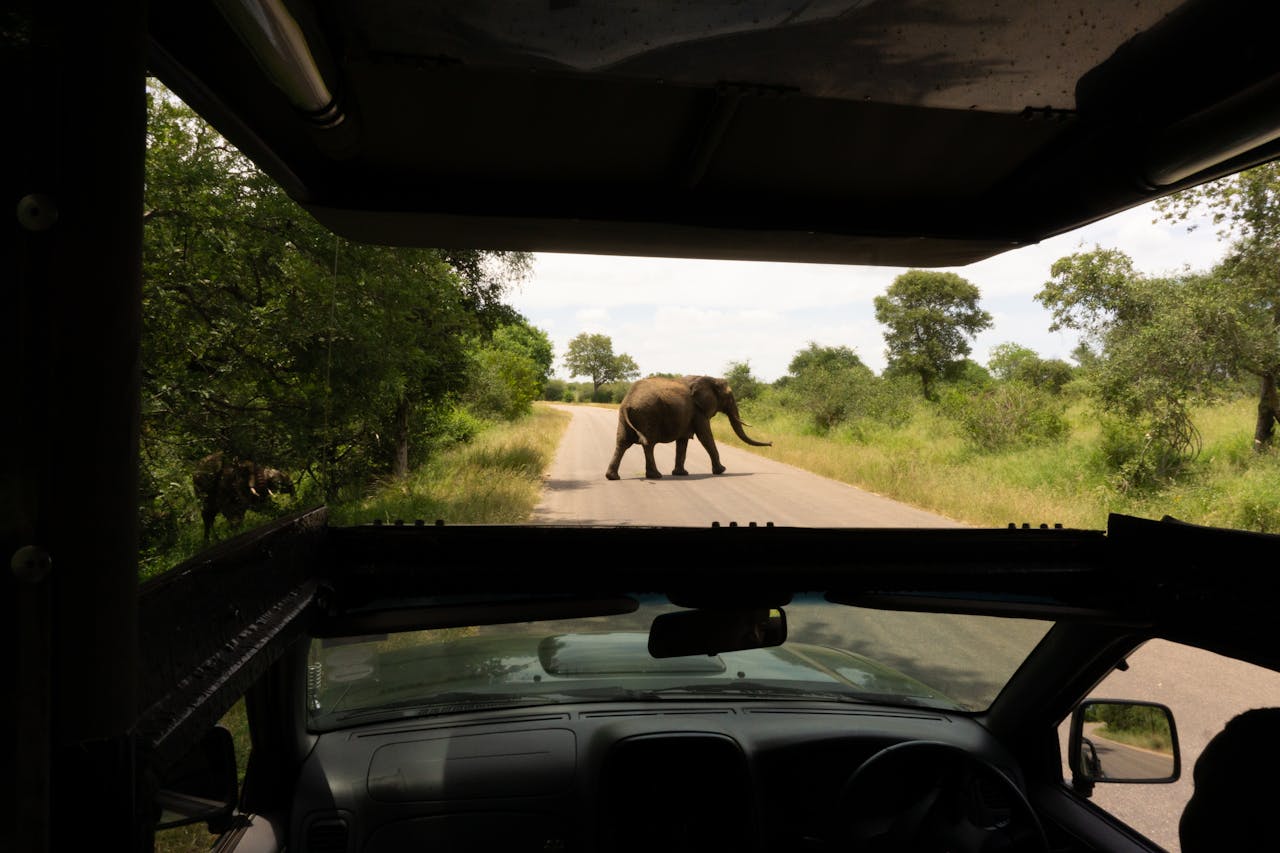
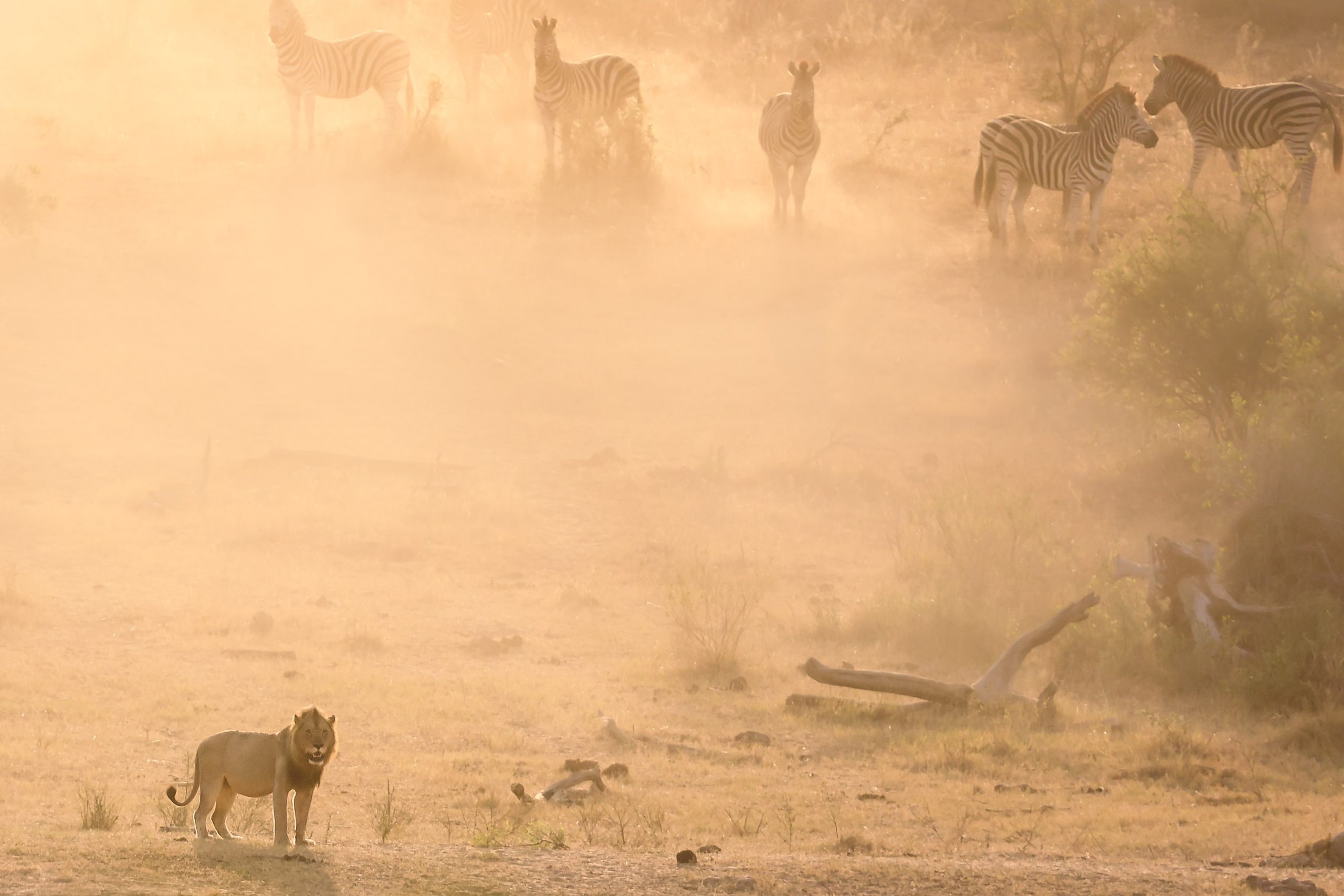
Inside the southern Kruger National Park, ethical wildlife viewing takes on a different scale. When tracking large herds of elephants or apex predators like lions and leopards, the behavior of the safari guide makes all the difference.
A sustainable wildlife viewing approach prioritizes the comfort and safety of the animal over a close-up photograph. This involves several critical field practices:
- Maintaining Safe Distances: Vehicles must give animals enough physical space to move freely, ensuring they do not feel cornered or threatened.
- Reading Stress Signals: A trained guide knows how to spot early signs of distress—such as an elephant shaking its head or a lion changing its posture—and will immediately back the vehicle away.
- Managing Noise Levels: Keeping voices low and turning off vehicle engines at sightings prevents animals from becoming stressed or altering their natural routines.
When tourists crowd an animal or block its escape routes, it alters natural wildlife behavior and can lead to dangerous defensive reactions. Respectful observation ensures the wild remains truly wild.
The Power of Your Booking Choice
Every traveler has the power to influence conservation through their purchasing decisions. When you choose an ethical safari in South Africa, you are casting a vote for responsible tourism.
By booking with operators who respect park rules, limit their environmental impact, and educate their guests on ecosystem health, you directly support long-term protection efforts. Your presence helps fund national park maintenance, supports local anti-poaching initiatives, and ensures that the communities surrounding these wild spaces see the tangible value of keeping ecosystems intact.
The goal of a great safari is to witness the magic of the African bush exactly as it has existed for thousands of years, leaving behind nothing but footprints and taking away nothing but memories.
Want to support responsible tourism in the lowveld? Contact Southern Stars Safaris today to book an ethical, conservation-minded safari experience.